
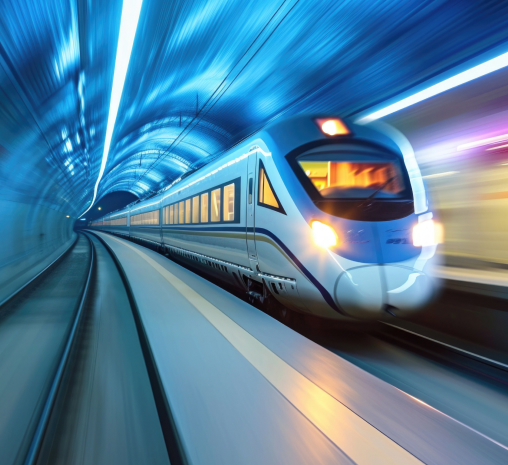
High-speed metro and rail connectivity planned for Dholera aims to provide fast, efficient travel between Ahmedabad, Dholera SIR, and key nodes along the DMIC route. The proposal includes developing modern transit systems capable of supporting high passenger movement while reducing travel time significantly. With backing from regional and central authorities, the project is designed to integrate upcoming industrial zones, residential clusters, and smart city areas with a dependable mobility network.
This advanced transport system will strengthen regional accessibility by linking major economic centers with Gujarat’s first smart city. The metro and rail project will connect important hubs, industrial estates, and proposed logistics terminals, offering seamless travel for workers, businesses, and residents. Once operational, it will support smooth inter-city movement and help reduce pressure on existing road infrastructure, creating a more balanced and sustainable transport ecosystem.
| Phase 1 : | APMC/Vasna- Akshardham (Gandhinagar) via Ashram Road-Motera-Koba Circle | 32.65 Kms |
| Ahmedabad junction – Thaltej via Delhi Darwaja | 10.9 Kms | |
| Phase 2 | Koba Circle – GIFT City – Gandhinagar | 10 Kms |
| Koba Circle – Airport | 8 Kms |
The metro project will be developed under a dedicated Special Purpose Vehicle (SPV) to ensure smooth execution of key responsibilities such as land acquisition, corridor development, station construction, and relocation of utilities along the proposed route. The SPV will coordinate closely with state and central agencies to manage approvals, oversee project funding, and ensure the metro system is built according to modern safety and operational standards.
For financing, the SPV has been allotted an initial corpus to support planning and early-stage works, with additional funding expected from government allocations and long-term project partners. Once operational, the Dholera–Ahmedabad metro network is projected to handle significant daily ridership, offering fast, reliable transit for commuters and supporting the region’s growing population and economic activities. The system is expected to serve lakhs of passengers every hour and millions annually by the target year, strengthening connectivity across the smart city region.